


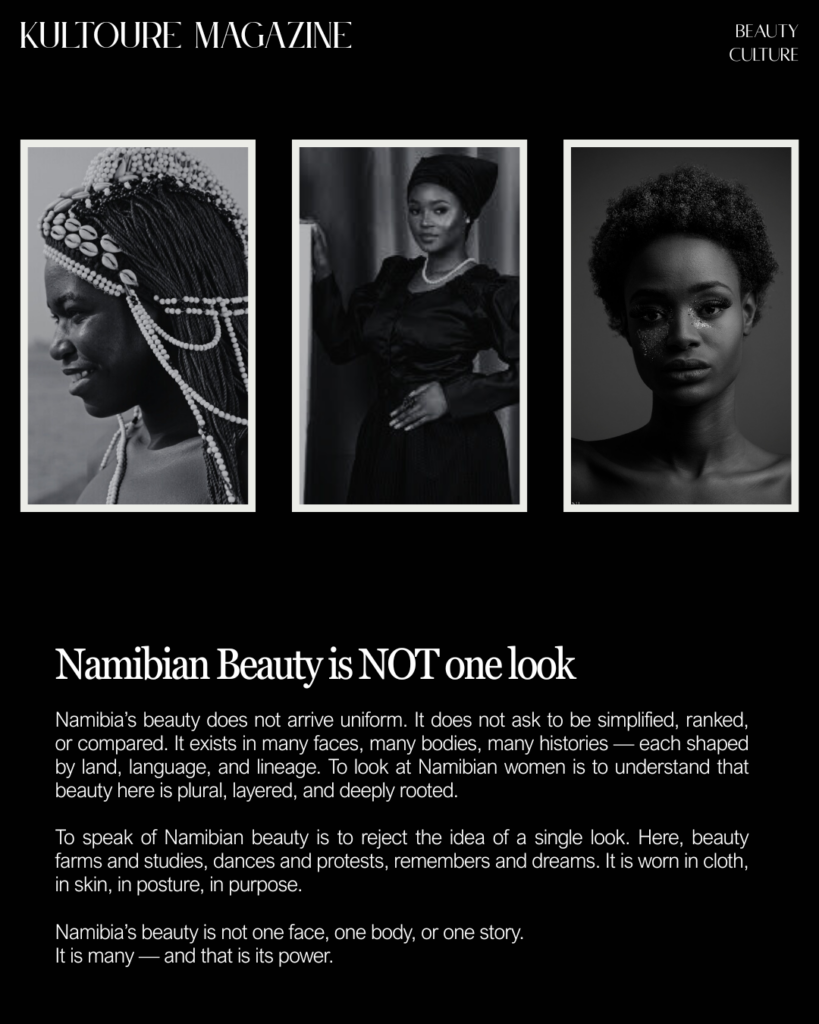
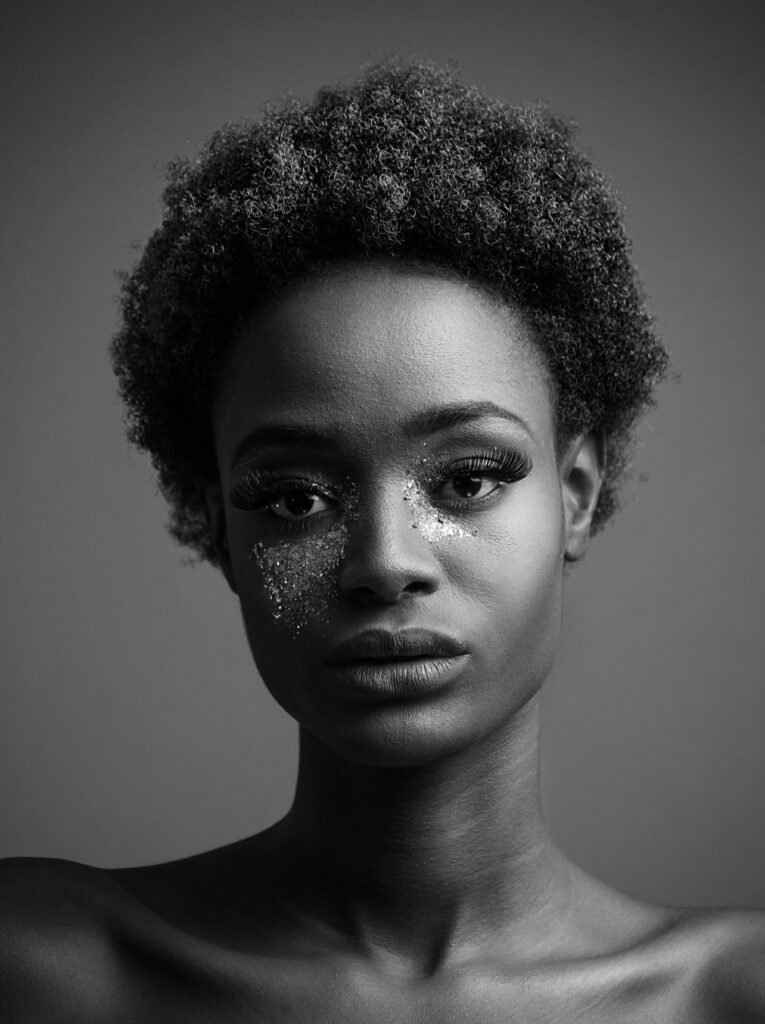
To speak of the beauty of Namibian women without speaking of their labor, leadership, humor, pain, and resilience would be incomplete. Beauty here is not passive. It farms, it protests, it nurtures, it remembers. It wears tradition not as costume, but as continuity.
Namibian women are not beautiful despite their differences.
They are beautiful because of them.
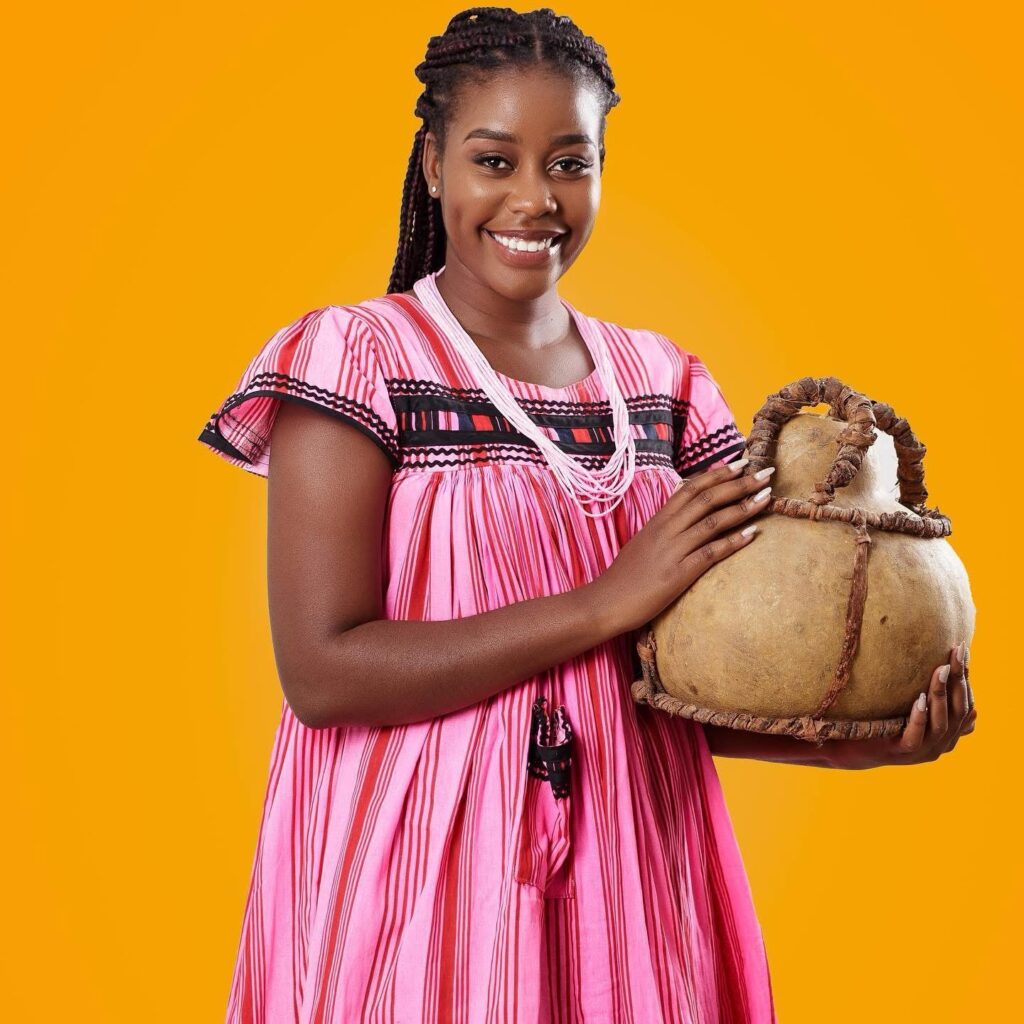
Owambo Women: The Beauty of Quiet Authority
Owambo beauty does not rush to be noticed. It arrives composed, measured, and assured. There is power in this restraint—in the way Owambo women move through the world with an ease that suggests self-knowledge rather than performance.
Their beauty is found in balance: tradition carried lightly alongside modern ambition. Whether wrapped in heritage or dressed in contemporary silhouettes, Owambo women embody elegance that feels lived-in, not styled for approval.
This is a beauty that leads households, builds futures, and speaks when necessary.
Quiet, but never invisible.
Herero Women: When Fashion Becomes Memory
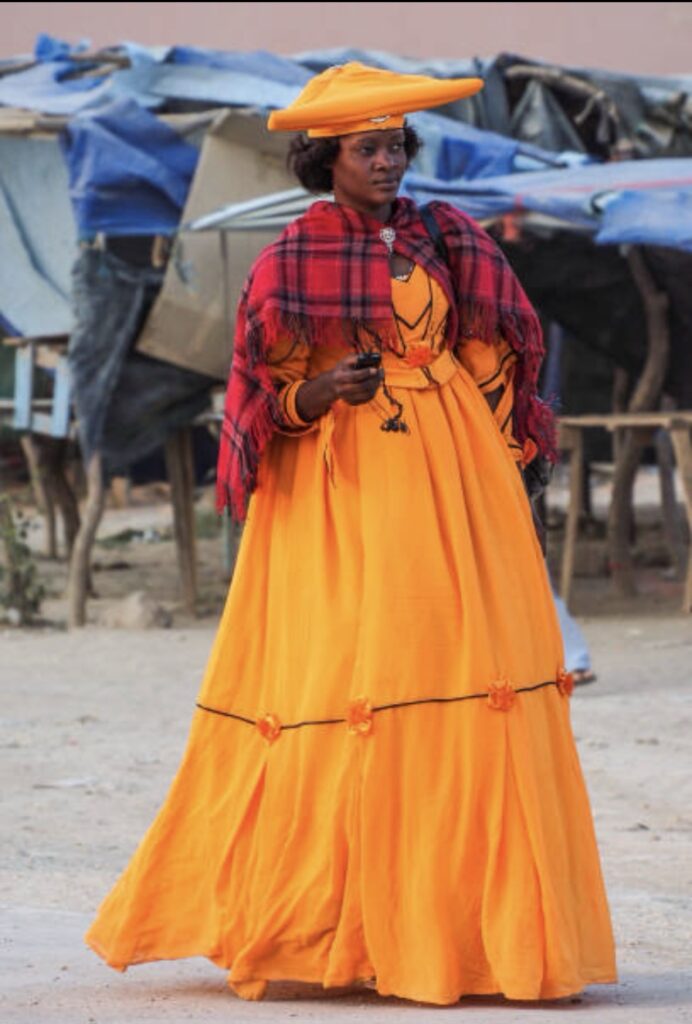
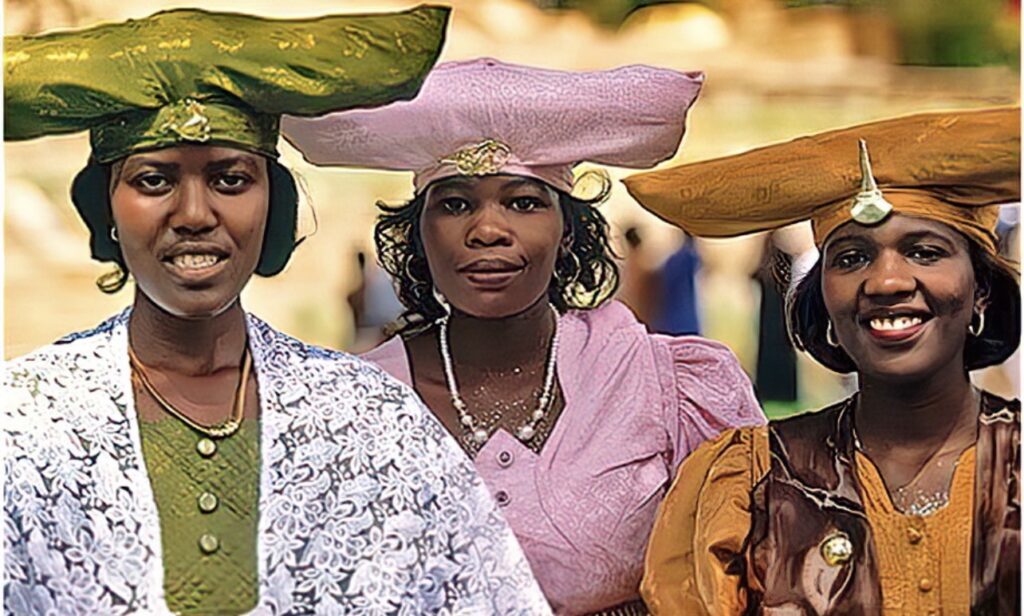
Herero women wear history in volume. Their iconic dresses are not simply garments—they are architecture, resistance, remembrance. Each fold is deliberate. Each silhouette claims space.
Herero beauty is monumental. It does not apologize for presence or scale. It turns femininity into statement and style into sovereignty. In a world that often demands women be smaller, Herero women insist on being seen.
This is beauty as legacy—structured, proud, and unyielding.
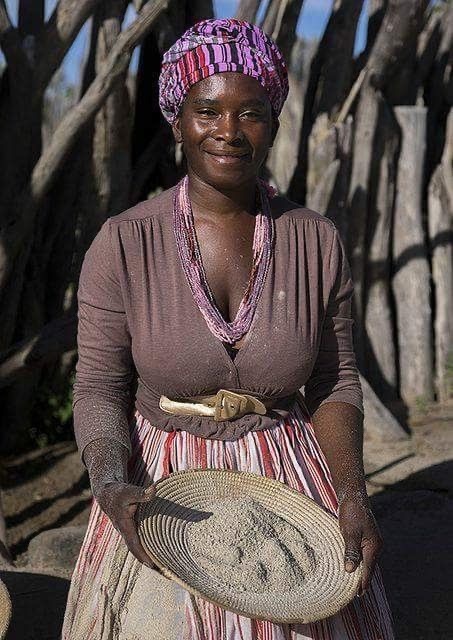
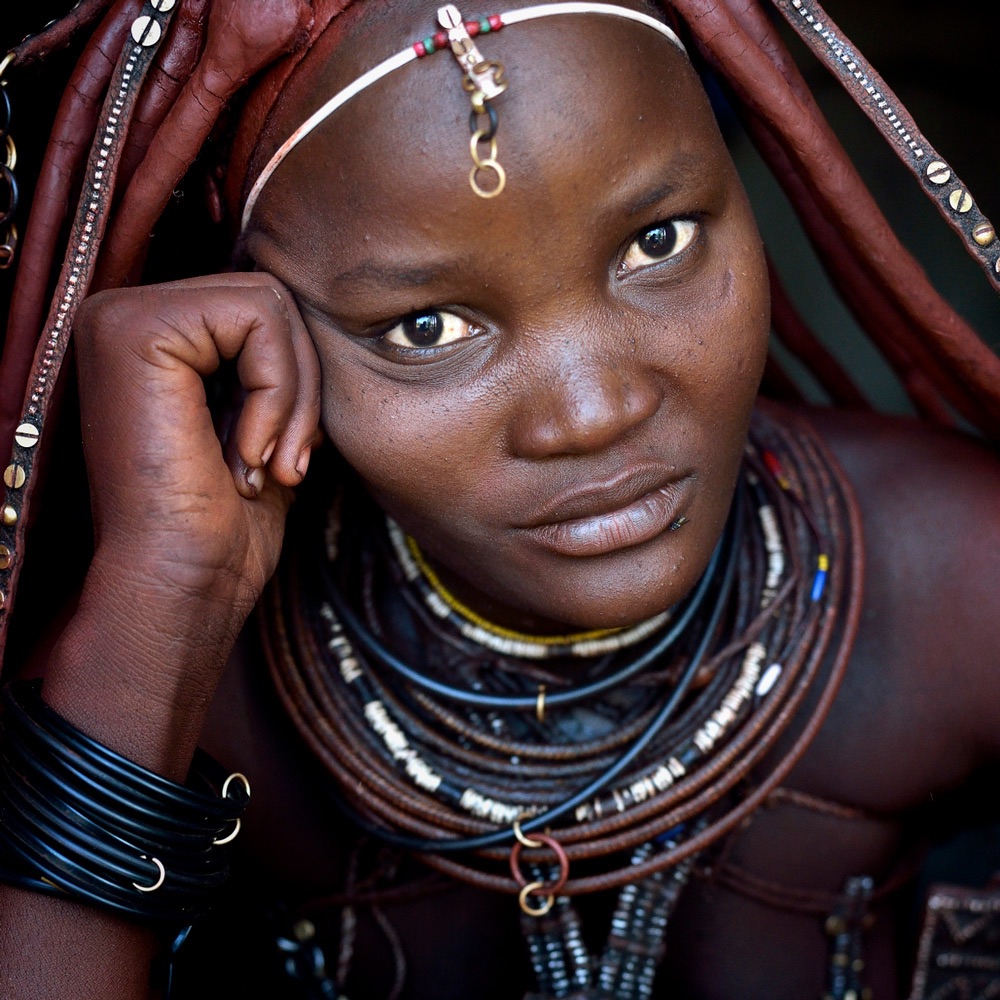
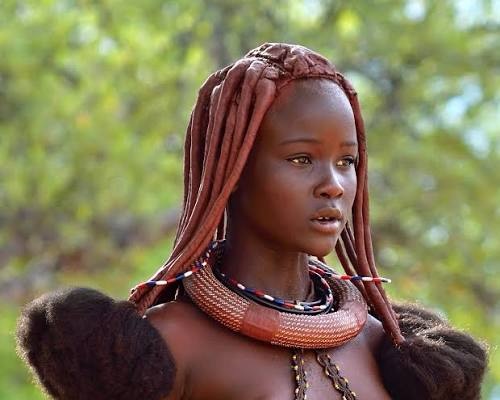
Himba Women: Adorned by the Earth
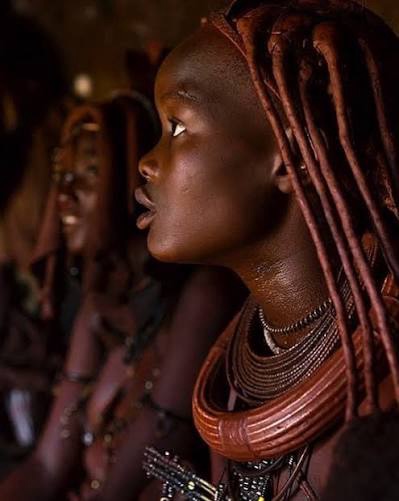
Himba beauty is elemental. It belongs to the land as much as to the body. Skin glazed in ochre glows with ancestral meaning; hair becomes sculpture; jewelry becomes language.
Nothing here is decorative without purpose. Everything is ritual. Everything is identity.
Himba women do not chase trends. They do not negotiate their worth. Their beauty exists on its own terms—ancient, self-defined, and enduring.
Some beauty does not evolve.
It remembers.
Nama Women: Beauty That Speaks Back
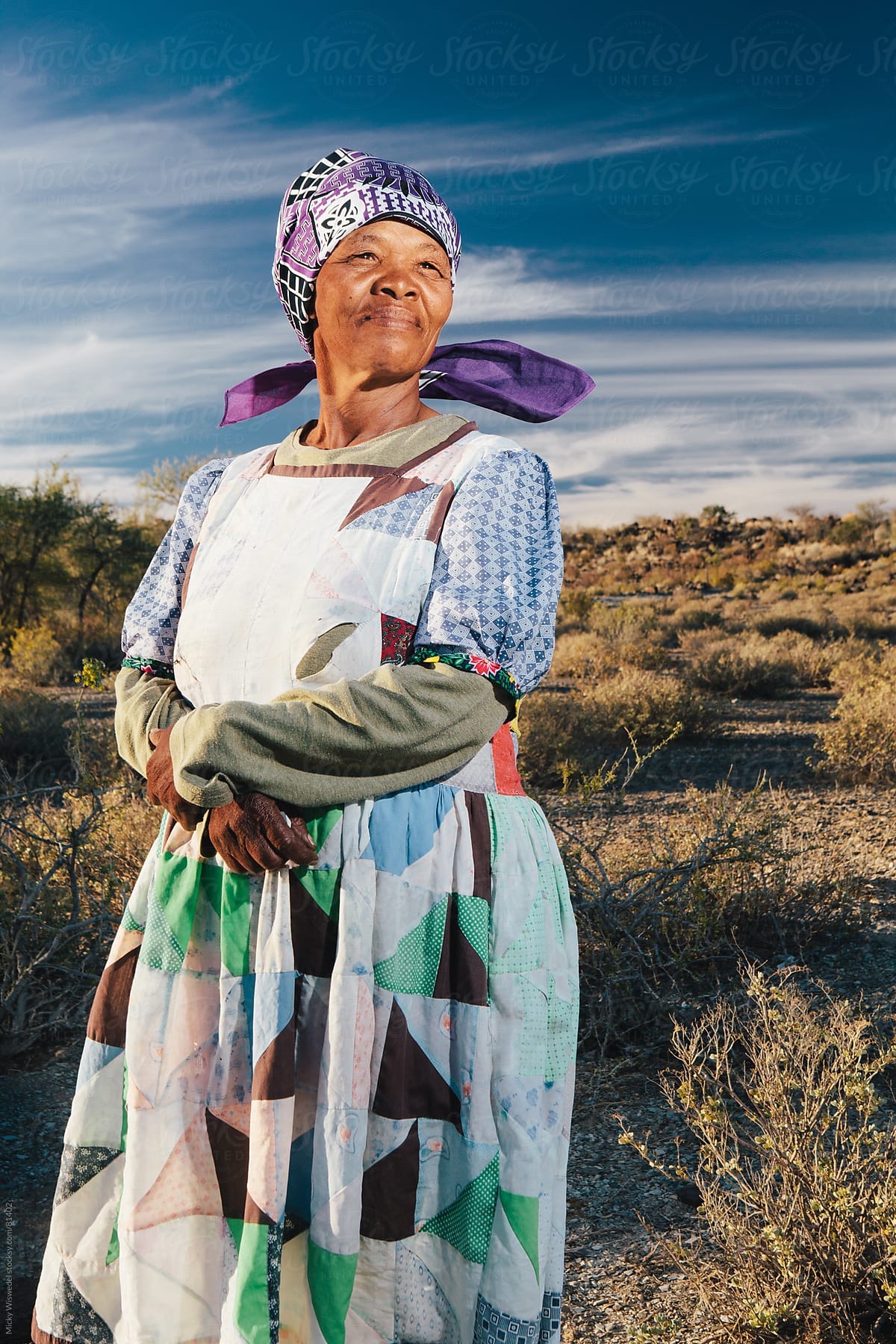
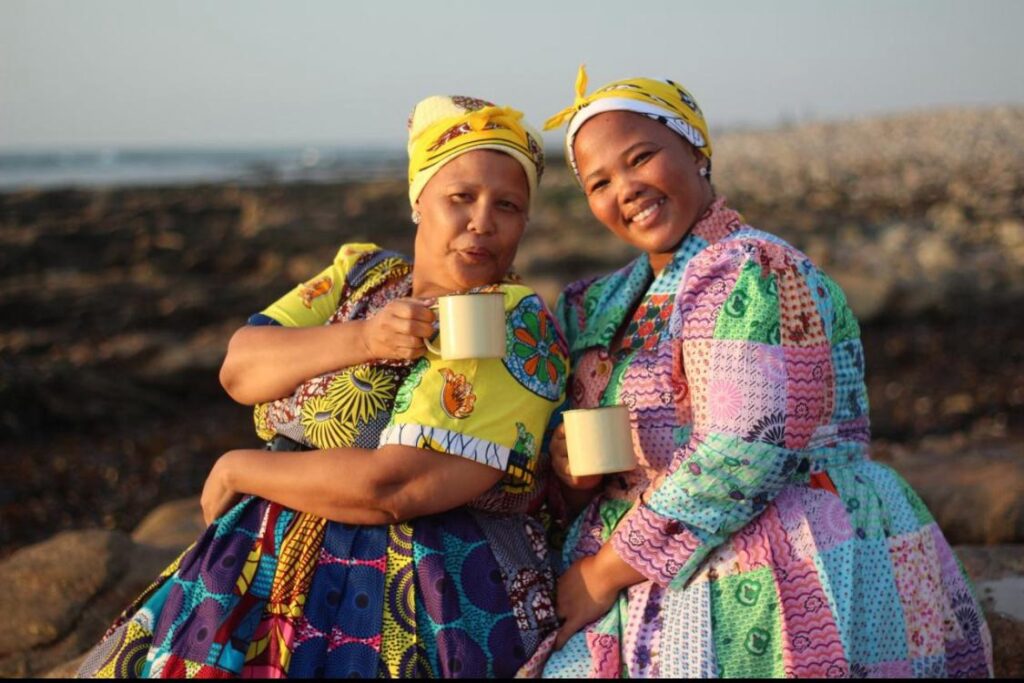
Nama beauty is expressive—alive with wit, movement, and voice. It laughs loudly, challenges freely, and refuses silence. Headscarves and layered garments become canvases of personality rather than uniform.
There is sharpness here—not only in style, but in mind. Nama women carry a femininity that engages and confronts, never passive, never muted.
This is beauty that converses.
Beauty that answers back.
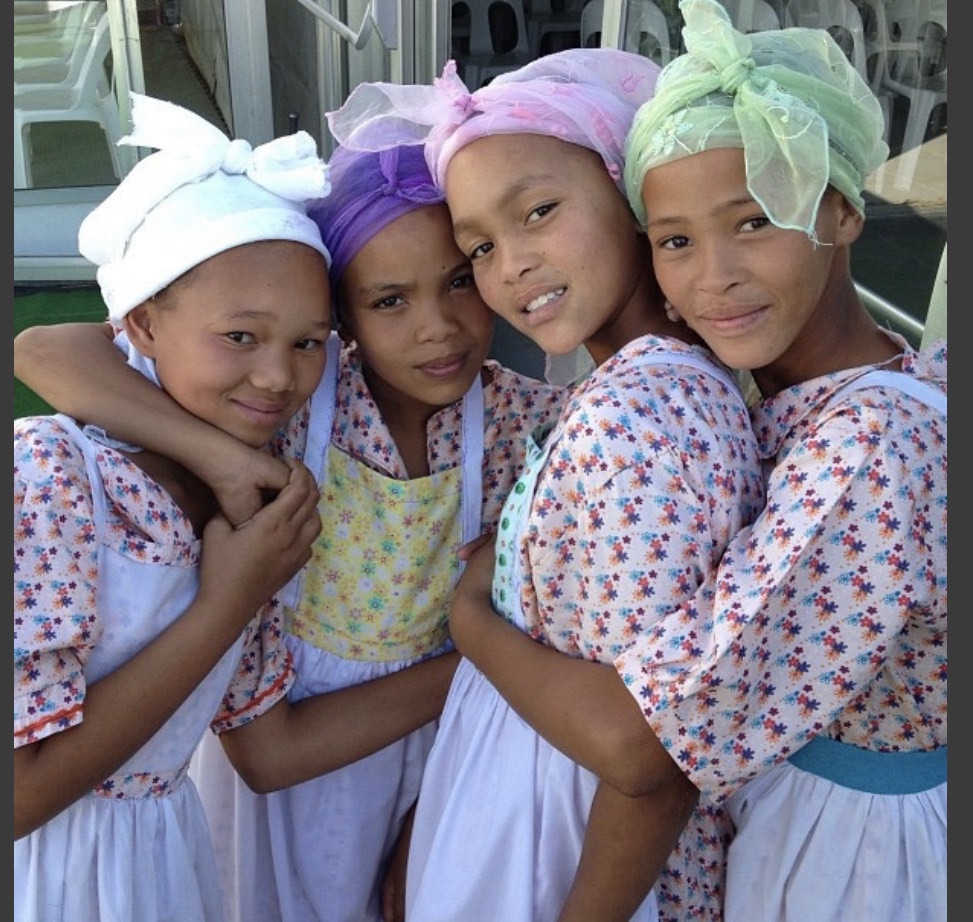
Damara Women: Strength Without Ornament
Damara beauty does not announce itself. It stands steady. Grounded. Resilient.
Shaped by survival and adaptability, Damara women embody a femininity rooted in endurance rather than display. Their elegance lies in simplicity—in the refusal to soften strength for palatability.
This is beauty stripped of excess.
Honest. Functional. Powerful.
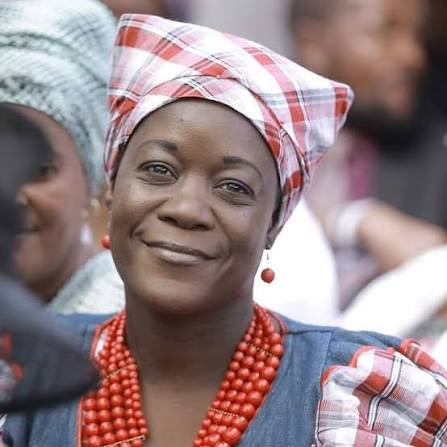
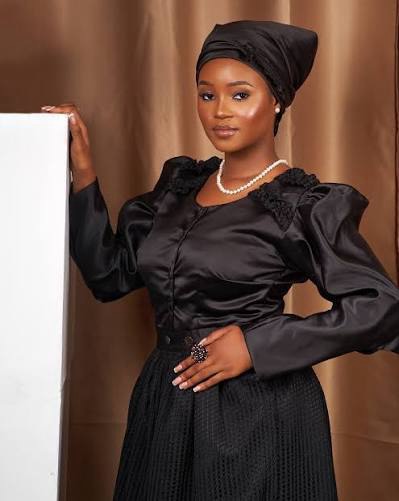
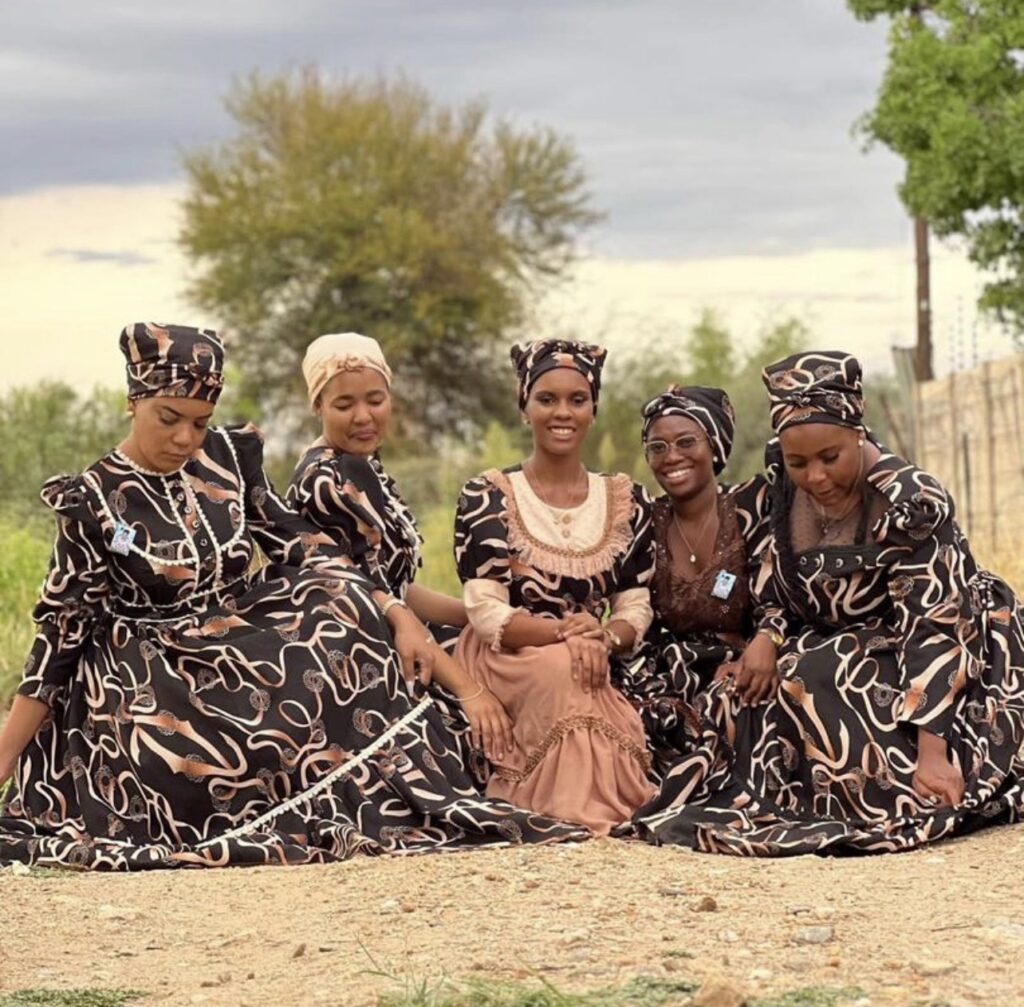
San Women: Beauty Before the World Named It
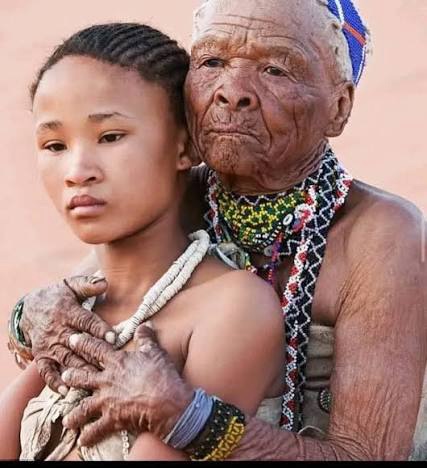
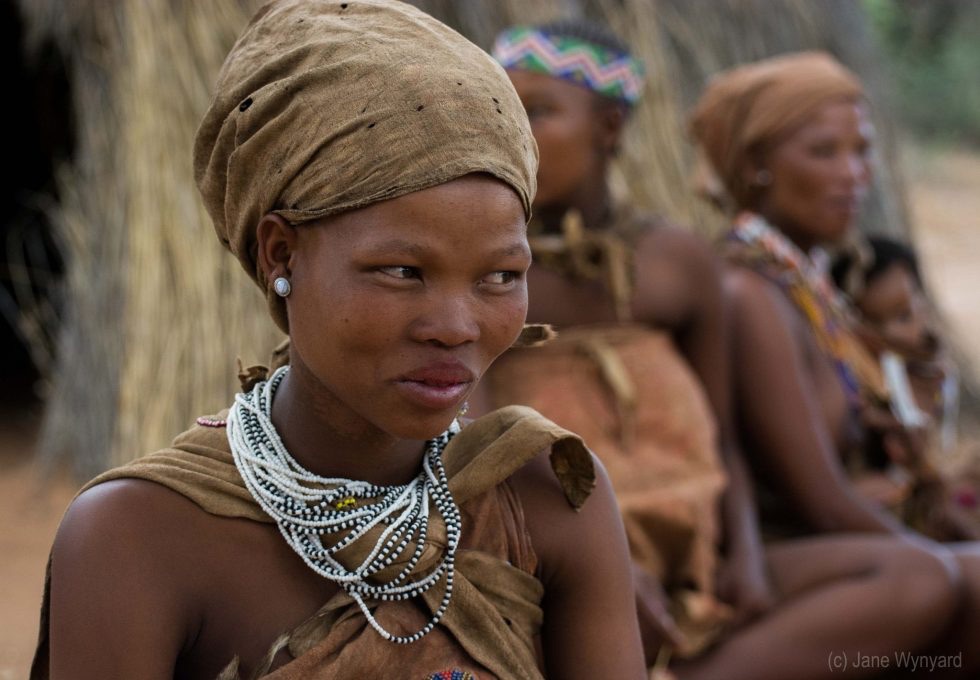
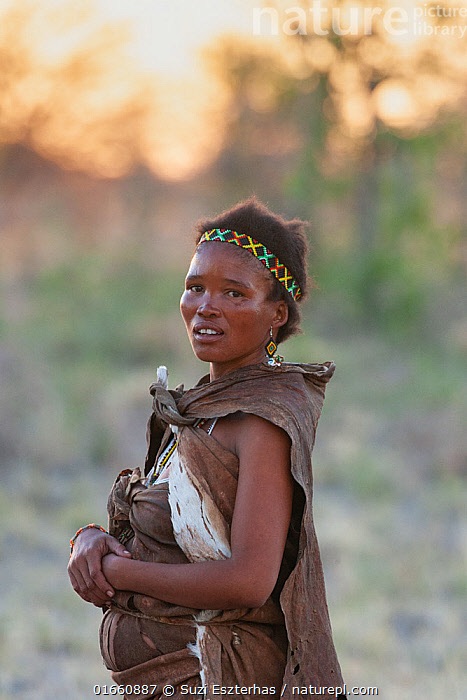
San women carry one of the oldest living cultures on Earth. Their beauty is deeply human—found in expressive faces, shared laughter, and eyes that hold centuries of knowing.
Unfiltered by modern expectation, this beauty reminds us that femininity existed long before industries tried to package it. It is intimate, joyful, and quietly profound.
This is beauty that predates validation.
And therefore does not seek it.
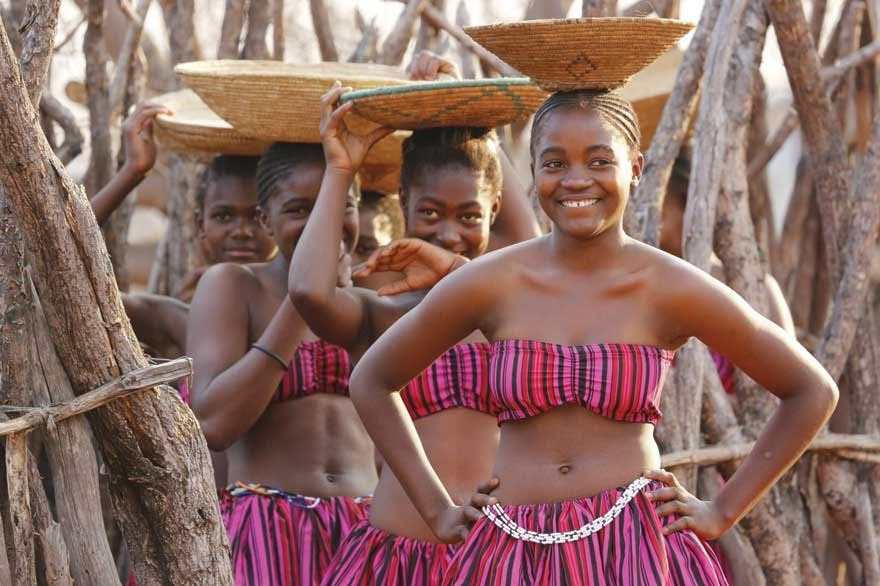
Kavango Women: Vitality in Motion
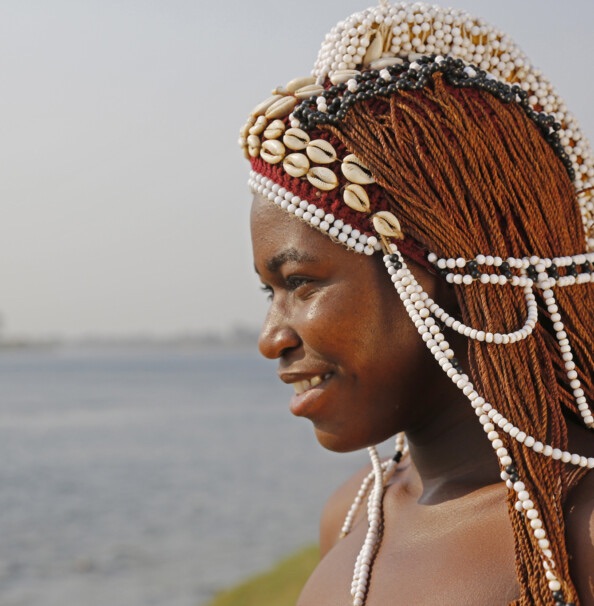
Kavango beauty is warm and expansive. It lives in color, community, and creativity. Often dressed in vibrant fabrics, Kavango women move with openness—between tradition and transformation, home and possibility.
Their beauty is social. It welcomes. It connects. It lives in rhythm and generosity.
Some beauty is felt before it is seen.
This is that kind.
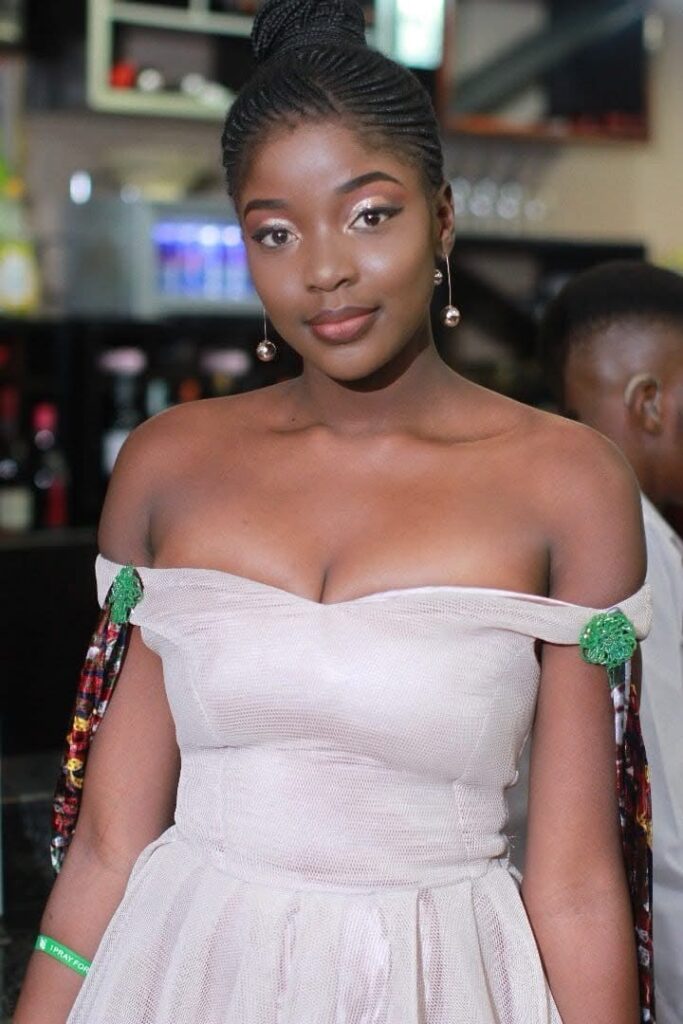
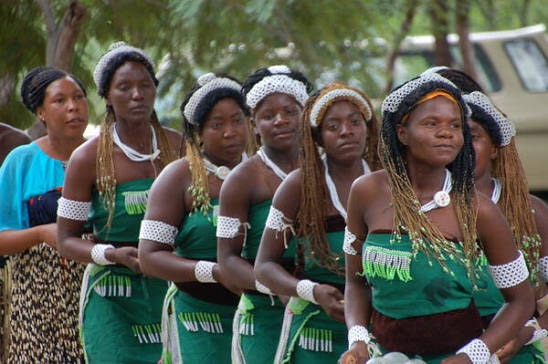
Coloured Women: Beauty in Nuance
Coloured women in Namibia carry beauty that refuses simplification. It exists in nuance—in layered histories, mixed lineages, and identities that have never been allowed the comfort of being singular. Their femininity is shaped not only by culture, but by navigation: of space, of belonging, of visibility.
This is a beauty that blends without erasing. Accents soften and sharpen, features tell more than one story, and style becomes a language of self-definition. Coloured women often move between worlds with fluency—traditional and modern, African and European, inherited and chosen.
Their beauty is expressive and adaptive. It lives in humour sharpened by experience, in confidence built through self-awareness, in an aesthetic that borrows freely but belongs fully to itself.
Coloured beauty is not confusion.
It is complexity, worn with intention.


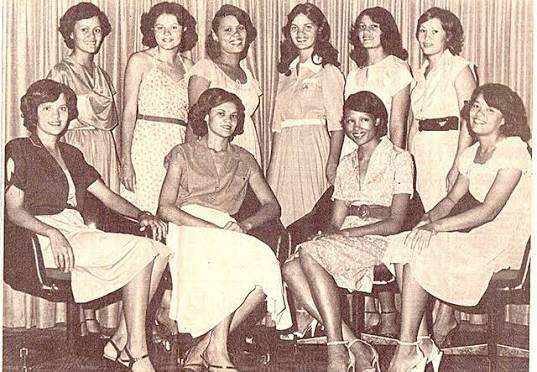
Baster Women: Beauty in Dual Identity
Baster women embody contrast with composure. African and European histories intersect in a femininity that is structured, dignified, and quietly assertive.
Their beauty lies in self-definition—in holding multiple inheritances without dilution. It is understated, deliberate, and rooted in a strong sense of autonomy.
This is beauty that does not choose sides.
It builds its own ground
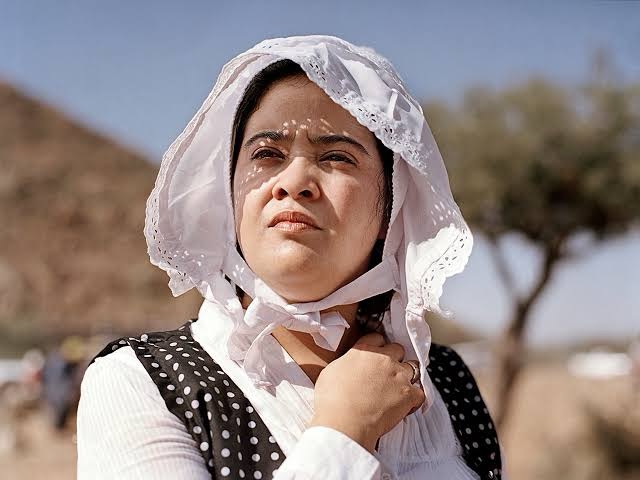
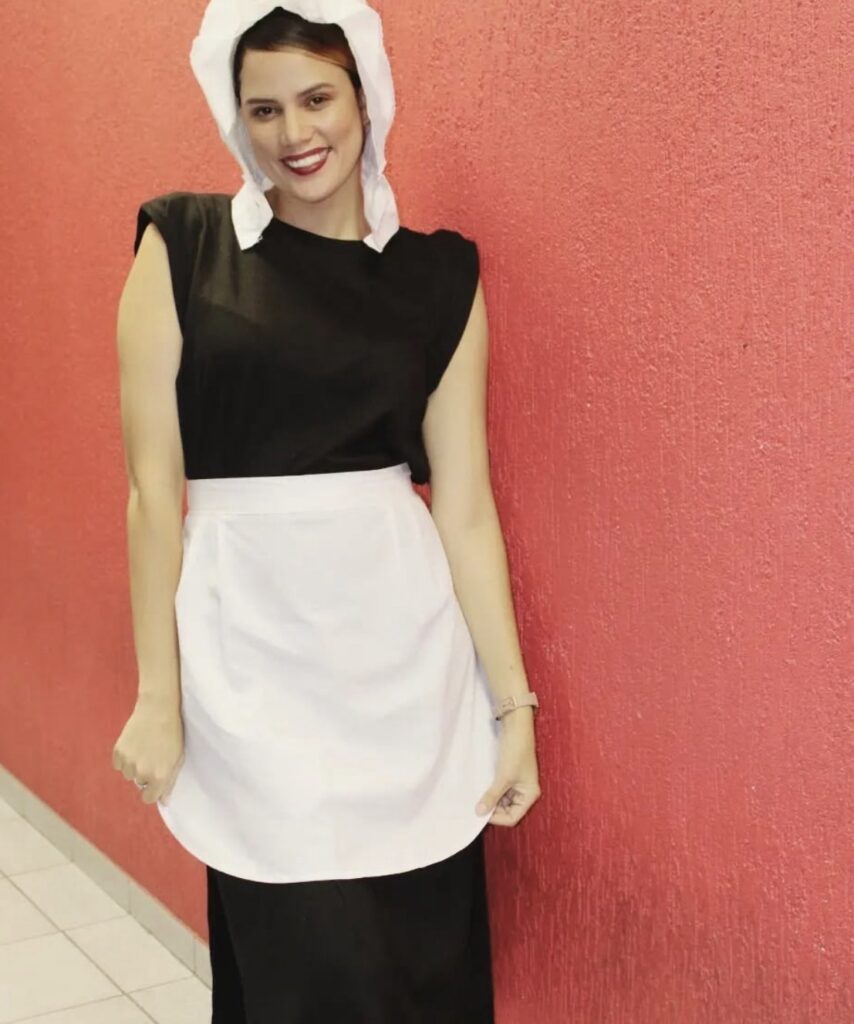
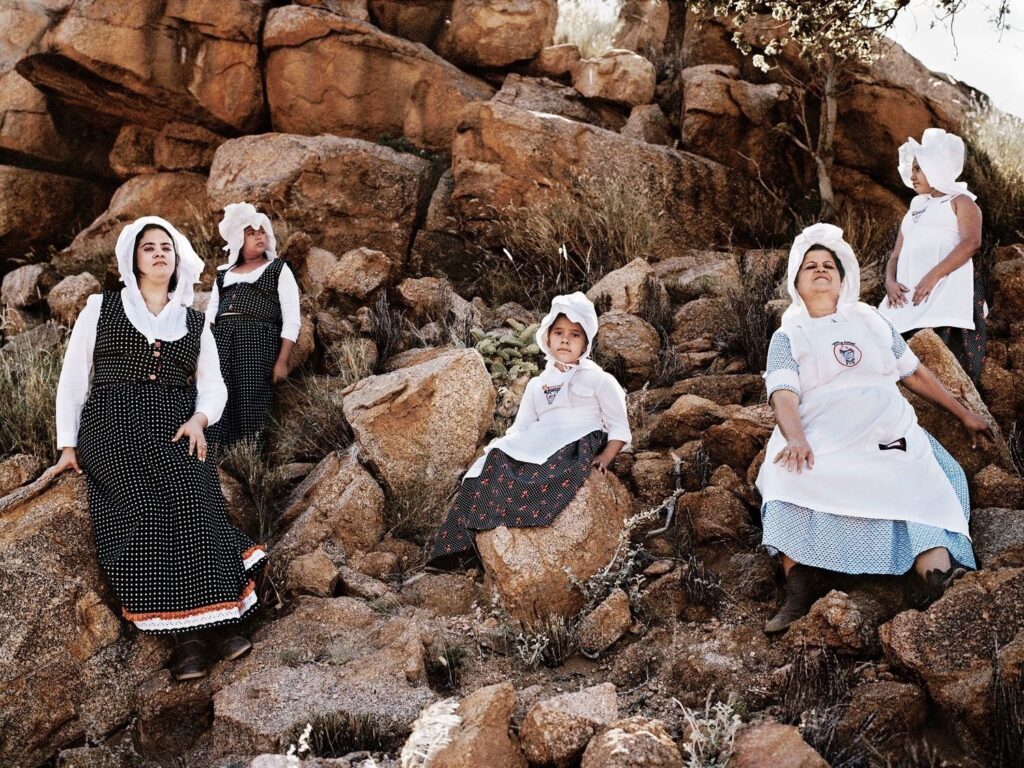
Namibia’s beauty does not ask to be narrowed. It exists in many faces, many histories, many expressions of womanhood—each shaped by land, lineage, and lived experience. To celebrate one without the other is to miss the point entirely.
This is not a catalogue of looks.
It is a recognition of presence.
Namibian women are beautiful not because they fit a standard, but because they expand it. In their differences, they remind us that beauty is not something to be agreed upon—it is something to be understood, respected, and seen.
Namibia beauty is not one look.
It is many.
And that multiplicity is its power.